.png)


.png)
How Zhonghai Inspects Glass Bottles for Quality
Ноябрь 2, 2026
Quality control plays an essential role in delivering glass bottles that meet customers’ agreed specifications. From appearance and dimensional checks during production to final inspections before packing and shipment, each inspection stage helps identify potential defects and verify product conformity.
At ZhongHai, glass bottle quality inspection covers multiple stages of the manufacturing and delivery process. Depending on the bottle design, intended application and customer requirements, the inspection process may include manual inspection, automatic machine inspection, light-assisted visual inspection, strength and performance testing, pre-packing inspection and pre-shipment reinspection.
These procedures help improve inspection consistency, identify visible defects and reduce the risk of nonconforming products reaching customers. The following guide explains six key steps in our glass bottle quality control process.
For custom glass bottle development, bulk orders or product inquiries, contact the ZhongHai team to discuss your requirements.
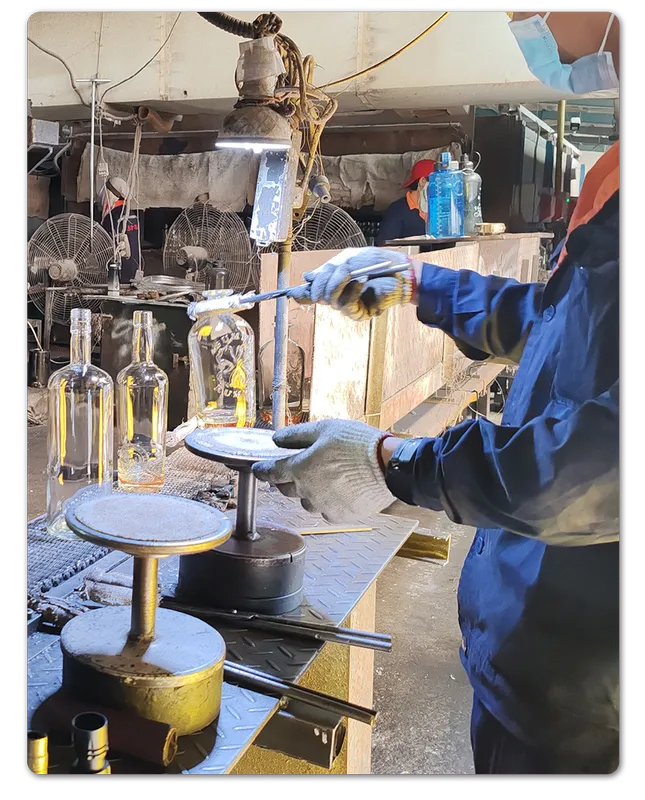
1. Manual Inspection
Careful visual checks by experienced inspectors
Manual inspection remains an important part of glass bottle quality control, even when automated inspection equipment is used on the production line.
Experienced inspectors examine bottle appearance and workmanship to identify visible defects, including cracks, chips, scratches, uneven surfaces, deformation and other imperfections that may affect the bottle’s appearance or usability.
Particular attention is given to critical areas such as the bottle mouth, neck, shoulder, body and base. These areas can influence closure compatibility, filling operations, product presentation and bottle stability.
Manual inspection also provides an opportunity to assess overall workmanship and identify irregularities that may require further examination.
Inspection focus: Identify visible appearance and workmanship defects through careful examination and check whether the bottles meet the agreed quality requirements.
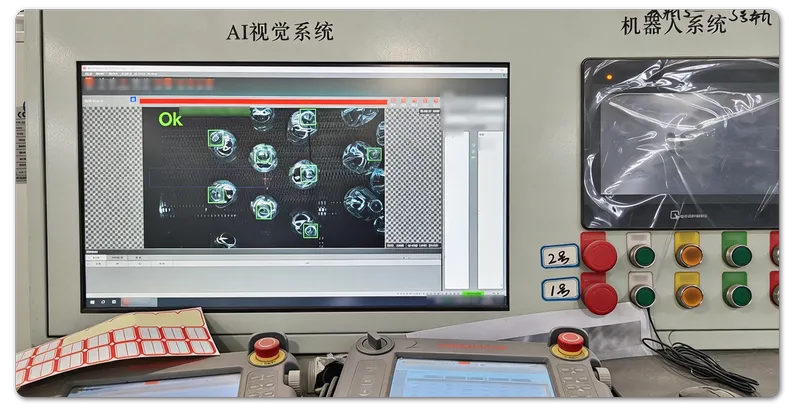
2. Automatic Machine Inspection
Consistent defect detection during mass production
Automatic inspection equipment supports quality control during high-volume glass bottle production. Depending on the equipment configuration, inspection systems can check specific bottle features, including dimensions, mouth finish, sidewall defects, base defects, cracks and forming irregularities.
Automated systems apply consistent detection criteria to the features they are designed to inspect. This helps reduce reliance on manual checks alone and allows large quantities of bottles to be examined at production speed.
When a bottle is identified as defective, the system may automatically reject it from the production line, helping prevent detected nonconforming products from moving to subsequent stages.
The actual inspection scope depends on the equipment type, detection capability and production line configuration.
Inspection focus: Improve inspection consistency and support efficient defect detection during continuous glass bottle manufacturing.
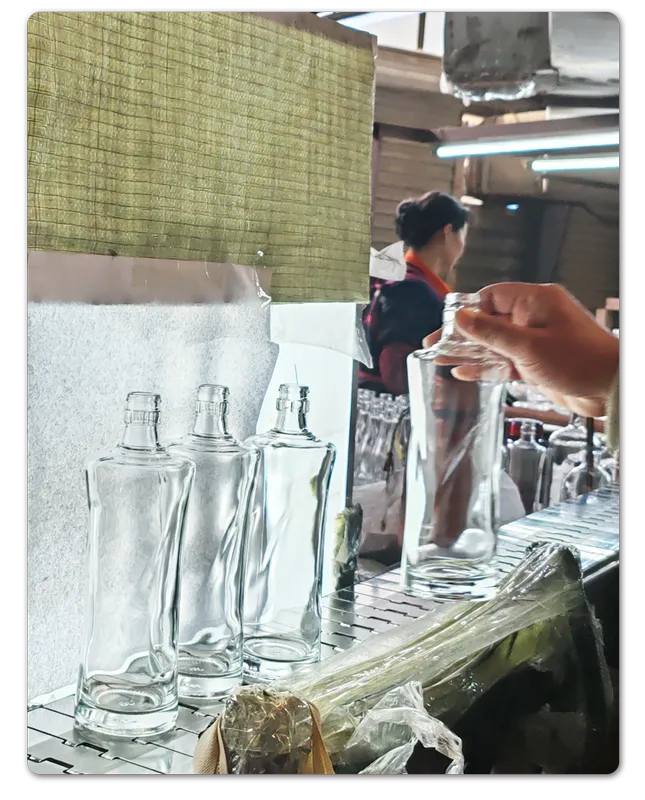
3. Light-Assisted Visual Inspection
Identifying visual imperfections under suitable lighting
Lighting conditions can make certain glass bottle defects easier to identify. During light-assisted visual inspection, bottles are examined against suitable lighting and backgrounds to help reveal visible imperfections.
Depending on the bottle specifications and inspection conditions, inspectors may look for bubbles, foreign inclusions, cracks, uneven glass distribution, surface irregularities and other optical defects.
This inspection is particularly relevant for clear glass bottles and products where visual appearance and transparency influence packaging quality and brand presentation.
However, not every internal flaw can be identified through visual inspection alone. The acceptance criteria should therefore be established according to the product specifications and the capabilities of the inspection method.
Inspection focus: Examine bottle clarity, transparency and visible surface quality under appropriate lighting conditions.
4. Glass Bottle Strength and Performance Testing
Evaluating performance against application requirements
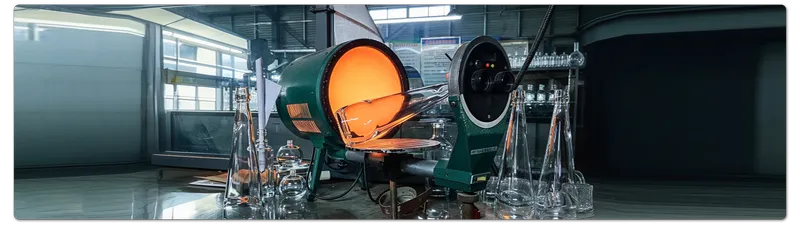
Glass bottles need to withstand the handling and operating conditions associated with filling, packaging, storage and transportation. Appropriate performance testing helps evaluate whether a bottle meets the mechanical and thermal requirements specified for its intended application.
Depending on the bottle type and customer requirements, relevant tests may include:
| Test Method | Main Evaluation Purpose |
|---|---|
| Vertical Load or Compression Testing | Evaluates the bottle’s ability to withstand vertical loading under defined test conditions |
| Internal Pressure Testing | Evaluates resistance to internal pressure for suitable bottle applications |
| Thermal Shock Testing | Evaluates resistance to temperature changes under specified test conditions |
| Other Specified Performance Tests | Checks additional mechanical or application-related requirements when required |
The selection of test methods depends on the bottle design, glass specifications, intended use and applicable acceptance criteria.
It is also important to distinguish strength and performance testing from material hardness measurement. These tests evaluate different properties and should be described according to the actual testing equipment and procedures used.
Inspection focus: Evaluate relevant mechanical and thermal performance characteristics using appropriate test methods and defined acceptance criteria.
5. Pre-Packing Inspection
Verifying product quality before packaging
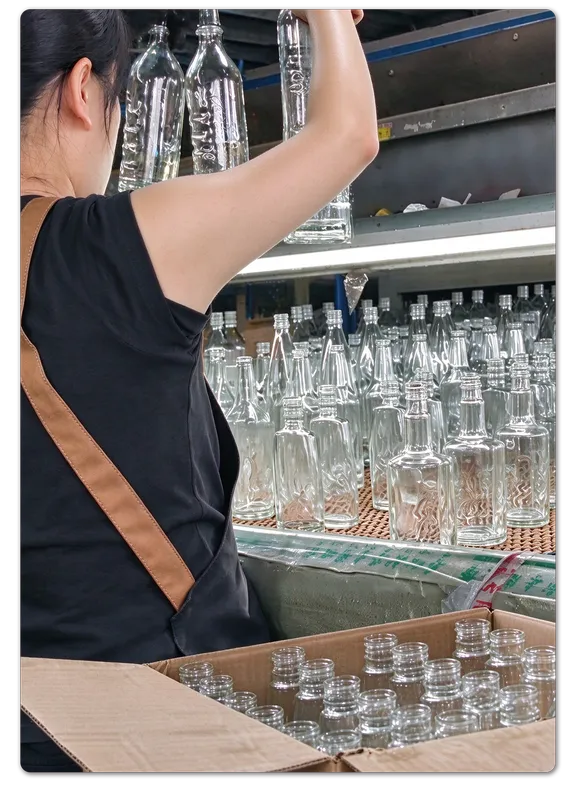
Before glass bottles are packed into cartons or arranged on pallets, pre-packing inspection helps confirm that the products meet the applicable acceptance requirements.
The inspection may cover bottle appearance, product specifications, quantities and decoration quality where applicable.
For decorated glass bottles, additional checks may include:
- Logo positioning and print clarity
- Color consistency
- Coating appearance
- Surface decoration quality
- Other agreed decoration specifications
These requirements are particularly relevant to customized packaging projects, where printing, frosting, spray coloring, engraving or other surface treatments form part of the approved design. ZhongHai’s customization services cover the development process from design and mold preparation to decoration and packaging.
Packaging materials and packing arrangements also require attention. Depending on the bottle design and transportation requirements, suitable dividers, protective inserts and carton configurations can help reduce bottle-to-bottle contact and minimize the risk of breakage during handling and transit.
Inspection focus: Verify product conformity and check that bottles and packaging materials are ready for secure packing.
6. Pre-Shipment Inspection
Final quality checks before delivery
Pre-shipment inspection provides an additional opportunity to review product quality after packing and before the goods leave the factory.
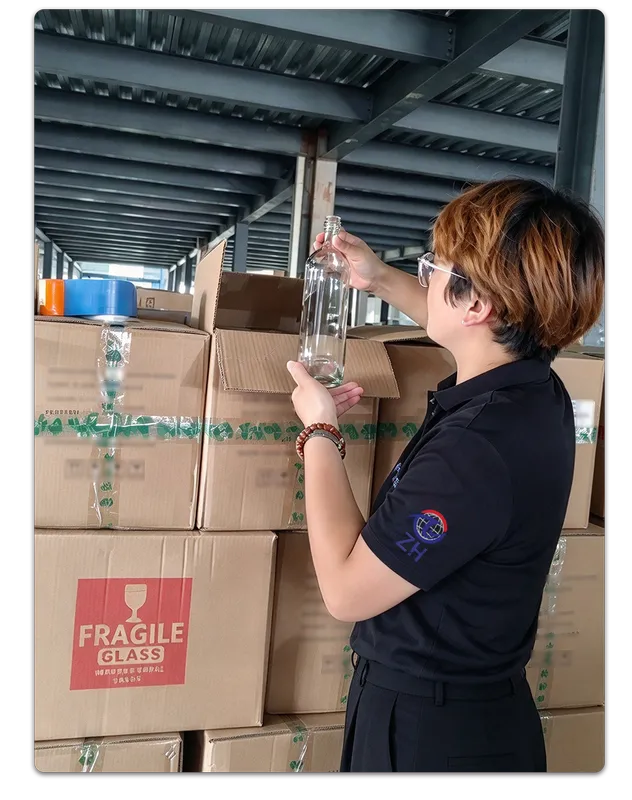
During this stage, selected cartons may be randomly opened for reinspection. The selected bottles are checked for appearance, visible defects, product specifications and decoration quality where applicable.
The condition of the packaging is also reviewed to check whether bottles remain properly arranged and protected inside the cartons.
By conducting these checks before dispatch, potential quality or packaging issues can be identified at an additional control point, helping reduce the risk of problems during delivery.
The inspection scope and sampling arrangements should follow the agreed order requirements and inspection criteria.
Inspection focus: Recheck selected packed products and their packaging condition before shipment.
A Structured Approach to Glass Bottle Quality Control
Effective glass bottle quality control involves more than a single final inspection. Different inspection methods serve different purposes throughout production, packing and shipment.
At ZhongHai, the quality inspection process is intended to support product consistency, identify potential defects and verify compliance with agreed customer requirements. The specific inspection methods applied depend on the bottle design, production process, intended application and order specifications.
Whether you are sourcing wine glass bottles, premium spirits packaging or wine decanters, clearly defined quality requirements help establish a more reliable basis for production and delivery.
Looking for a glass bottle manufacturer for your next packaging project? Contact ZhongHai to discuss your bottle design, specifications, decoration requirements and quality inspection needs.