
.png)


.png)

Trends in Luxury Spirits Packaging: Minimalist vs. Ornate Glass Bottles — An Expert 2025 Analysis
December 1, 2025
Abstract
The global market for luxury spirits in 2025 is a theatre of intense competition, where the glass bottle serves as the primary protagonist in a brand's narrative. This analysis investigates the prevailing trends in luxury spirits packaging, focusing on the central aesthetic tension between minimalist and ornate design philosophies. An examination of these divergent approaches reveals they are not merely stylistic choices but are deeply rooted in consumer psychology, manufacturing innovation, and evolving sociocultural values, particularly sustainability. The inquiry delves into the semiotics of bottle design, exploring how minimalist forms communicate confidence and purity, while ornate structures evoke heritage and opulence. The study considers market drivers such as the demand for sustainable materials like post-consumer recycled (PCR) glass, the psychological state of the "permacrisis" consumer, and the influence of digital culture on packaging. It posits that the choice between a minimalist or ornate glass bottle is a strategic decision that must align with a brand's core identity, target demographic, and market positioning. Ultimately, success in the contemporary spirits sector requires a sophisticated understanding of how these design trends function as a powerful medium for storytelling, shaping perception long before the liquid is consumed.
Key Takeaways
- The bottle is the primary consumer touchpoint, communicating brand ethos before tasting.
- Minimalist designs project confidence, modernity, and a focus on the spirit's purity.
- Ornate bottles convey heritage, craftsmanship, exclusivity, and a luxury experience.
- Sustainability is a major driver, favoring minimalist designs and recycled materials.
- The key trends in luxury spirits packaging: minimalist vs. ornate glass bottles require brand-specific strategies.
- Hybrid designs that blend simplicity with unique details are gaining traction.
- Consumer psychology, from a desire for escapism to a need for value, shapes preferences.
Table of Contents
- The Philosophical Underpinnings of a Bottle: More Than a Container
- The Rise of Minimalism: The Aesthetics of Purity and Confidence
- The Enduring Allure of Ornate Design: A Celebration of Maximalism
- A Comparative Analysis: Minimalist vs. Ornate Glass Bottles
- Key 2025 Market Drivers Influencing Packaging Choices
- Navigating the Decision: A Strategic Framework for Brands
- The Manufacturing Perspective: Realizing Complex Designs
- Frequently Asked Questions (FAQ)
- Conclusion
- References
The Philosophical Underpinnings of a Bottle: More Than a Container
Before we can meaningfully discuss the divergent paths of minimalist and ornate design, we must first establish a foundational understanding. What is a bottle, in the context of a luxury spirit? To consider it a mere container is to miss the point entirely. A vessel for a premium spirit is an active participant in the ritual of consumption; it is a narrator, a piece of functional sculpture, and the first handshake between the brand and the consumer (Xilong Glass, 2025b). Its form, its weight in the hand, the way light refracts through its contents—these are the opening lines of a story. This initial interaction is not trivial; it is a profound moment of sensory engagement that begins to shape our perception of the liquid within. It engages our capacity for aesthetic judgment, a faculty that seeks beauty, order, and meaning. We do not simply see a bottle; we interpret it.
The Bottle as the First Handshake with the Consumer
Imagine walking down the aisle of a high-end spirits retailer. You are confronted with a silent chorus of glass forms. Some stand tall and slender, others short and robust. Some are clear as crystal, others cloaked in deep, mysterious hues. Before you read a single label, before you know the age of the whisky or the botanical blend of the gin, you have already begun to form opinions. A heavy, thick-based bottle might suggest substance and tradition. A sleek, unadorned design could communicate modernity and confidence in the product's intrinsic quality. This initial, non-verbal communication is exceptionally powerful. Research into consumer behavior consistently demonstrates that packaging is a primary driver of purchase decisions, especially in a crowded market where brand differentiation is paramount (Singh & Singh, 2025). The bottle is the brand's ambassador on the shelf, and its silent pitch must be compelling enough to warrant a closer look. It must invite the consumer to pick it up, to feel its texture, to appreciate its heft, and to begin the process of building a relationship with the brand.
Semiotics in Spirit Packaging: Communicating Value and Heritage
Semiotics, the study of signs and symbols and their use or interpretation, offers a valuable lens through which to analyze luxury spirits packaging. Every element of a bottle's design is a signifier, carrying a host of culturally embedded meanings. The choice of a heavy, wax-dipped cork, for instance, can signify artisanal craftsmanship and a connection to historical production methods. An embossed family crest or monogram speaks to legacy, heritage, and authenticity. The very shape of the bottle can be a powerful symbol. Consider the iconic, stout bottle of a particular Islay Scotch whisky; its form is immediately recognizable and has become synonymous with a specific flavor profile—peaty, smoky, and maritime. It doesn't just hold the whisky; it represents the whisky's identity.
The trends in luxury spirits packaging: minimalist vs. ornate glass bottles are, in essence, a debate over which set of semiotic codes is most effective in the current market. Does a brand communicate luxury through an abundance of signifiers—gold foil, intricate embossing, a complex silhouette? Or does it achieve the same goal through a deliberate absence of them, where the quality of the glass, the clarity of the spirit, and the perfection of the form become the primary symbols of value? There is no single correct answer; the effectiveness of the chosen semiotic strategy depends entirely on the story the brand wishes to tell and the audience it seeks to captivate.
Psychological Impact of Form, Weight, and Texture
Our relationship with objects is deeply physical and psychological. The tactile experience of handling a bottle can reinforce the visual messages it sends. This is the domain of sensory marketing. A bottle with significant weight and a solid, thick base often creates a perception of higher quality and value, a phenomenon known as the "heft heuristic." Our minds create a subconscious link: heavy equals substantial, substantial equals valuable. This is a powerful tool for luxury brands aiming to justify a premium price point.
Texture plays a similar role. A smooth, frosted finish might evoke a sense of coolness and refreshment, making it suitable for a premium vodka or gin. In contrast, a bottle featuring raised, textured patterns or deep embossing invites touch and exploration, suggesting complexity and a handcrafted nature. These tactile elements enhance the consumer's sensory experience, making the act of pouring a drink more engaging and memorable (Xilong Glass, 2025a). The sound a cork makes when pulled, the way a custom-designed stopper fits perfectly into the neck—every detail contributes to a multi-sensory narrative that defines the brand's perception of luxury. When we consider the debate between minimalist and ornate design, we are also considering different approaches to this sensory engagement. Minimalism might focus on the perfect, uninterrupted feel of smooth glass, while an ornate approach seeks to delight the hand with intricate details.
The Rise of Minimalism: The Aesthetics of Purity and Confidence
In recent years, a powerful wave of minimalism has washed over the design world, and luxury spirits packaging has been no exception. This aesthetic, characterized by clean lines, uncluttered surfaces, and a focus on essential form, represents a deliberate move away from the decorative excesses of the past. It is more than just a visual style; it is a philosophical stance. A minimalist bottle declares that the spirit within is so exceptional that it needs no elaborate costuming. The packaging steps back, allowing the liquid itself—its color, its clarity, its very essence—to be the hero. This approach requires immense confidence from the distiller and a deep trust in the consumer's ability to recognize quality without overt signals.
Defining Minimalist Design in Spirits Packaging
What constitutes a minimalist design in the context of a glass bottle? It is not simply about being plain. True minimalism is a highly disciplined art of reduction, where every element that remains is perfectly executed. Key characteristics include:
- Geometric Purity: A reliance on simple, strong silhouettes—cylinders, clean-shouldered rectangles, and elegant tapers. The form is often stripped of non-essential curves or embellishments.
- Typographic Restraint: The use of clean, often sans-serif fonts. The text on the bottle is typically limited to the brand name, the type of spirit, and legally required information. The hierarchy of information is clear and immediate.
- Monochromatic or Limited Color Palette: Many minimalist designs employ a palette of black, white, and gray, or use a single, bold accent color against a neutral background. The focus is on contrast and clarity rather than a riot of color.
- Emphasis on Materiality: When ornamentation is removed, the quality of the materials themselves comes to the forefront. In minimalist packaging, the flawless clarity of the flint glass, the subtle texture of a recycled paper label, or the precise fit of a simple wooden stopper become the primary markers of luxury. The bottle becomes a celebration of its own construction.
Consumer Psychology Driving the Minimalist Trend
The appeal of minimalism is deeply connected to contemporary consumer psychology. In a world of constant information overload and visual noise, simplicity can feel like a sanctuary. A minimalist design offers a moment of visual calm and clarity on a crowded shelf. It speaks to a desire for authenticity and transparency. A brand that chooses a clear, unadorned bottle is implicitly saying, "We have nothing to hide." This resonates strongly with younger demographics, particularly Millennials and Gen Z, who often value authenticity and straightforwardness over traditional displays of wealth (Singh & Singh, 2025).
Furthermore, minimalism aligns with a growing "less but better" philosophy. Consumers are increasingly interested in mindful consumption, investing in fewer, higher-quality items. A minimalist bottle can project an image of thoughtful design and enduring quality, positioning the spirit not as a fleeting indulgence but as a carefully considered purchase. It taps into a modern conception of luxury that is less about ostentation and more about quiet confidence, refined taste, and an appreciation for pure form.
Case Studies: Brands Excelling with Minimalist Glass Bottles
Several brands have masterfully employed minimalist design to carve out a distinct and successful market presence. Think of the Japanese whisky market, where brands like Hibiki or Yamazaki often use beautifully simple bottles that emphasize balance, harmony, and the quality of the liquid. The labels are often made of delicate washi paper, and the calligraphy is an art form in itself, but the overall silhouette is one of profound restraint. The luxury is communicated through perfect proportions and subtle details, not overt decoration.
In the world of gin, brands like Monkey 47, despite its somewhat eclectic label, utilize a classic apothecary-style bottle that feels both vintage and modernly simple. Its functional, straightforward form suggests a focus on the complex botanical contents. Similarly, many Scandinavian vodka and aquavit brands have long championed minimalism, using their packaging to reflect the clean, pristine natural environments from which they originate. Their bottles are often studies in clarity and form, feeling more like objects from a design museum than simple containers. These brands understand that in the right context, simplicity is the ultimate sophistication.
The Role of Sustainability in Minimalist Design
The minimalist trend is powerfully amplified by the growing imperative for sustainability in the packaging industry. From a resource perspective, simpler designs often equate to a more responsible approach. Minimalist bottles may be "lightweighted"—engineered to use less glass without compromising structural integrity—which reduces raw material consumption, energy usage during manufacturing, and transportation emissions. The reduction of secondary and tertiary packaging elements, such as elaborate boxes, plastic inserts, and decorative attachments, is a core tenet of both minimalist aesthetics and sustainable practice.
Moreover, minimalist designs are often easier to recycle. Bottles with fewer bonded materials, such as plastic shrink-wraps, metallic coatings, or complex multi-material closures, can be processed more efficiently by recycling facilities. A bottle made of pure, high-quality glass with a simple paper label is the ideal from a circular economy standpoint. As consumers become more educated about environmental issues, a brand's choice of minimalist packaging can serve as a clear and credible signal of its commitment to sustainability. This creates a powerful synergy where the aesthetic of simplicity also becomes the aesthetic of responsibility, appealing to the conscience as well as the eye.
The Enduring Allure of Ornate Design: A Celebration of Maximalism
While minimalism captures the modern zeitgeist, one must not discount the deep-seated and enduring power of ornate design. Maximalism, in this context, is not about chaos or clutter; it is a rich, layered, and celebratory approach to packaging that uses decoration and complexity to tell a story of craftsmanship, history, and unparalleled luxury. An ornate bottle does not whisper; it sings. It seeks to dazzle, to enchant, and to create an object of desire that transcends its function as a container. For many segments of the luxury market, particularly in categories like ultra-premium cognac, aged whisky, and special edition tequilas, an ornate bottle is not just appropriate; it is expected. It is the physical manifestation of the rarity and value of the spirit held within.
Defining Ornate and Maximalist Packaging
Ornate design in spirits packaging is a broad church, encompassing a wide range of decorative techniques and stylistic influences. It is defined by its embrace of complexity and its use of embellishment to add layers of meaning and perceived value. Common characteristics include:
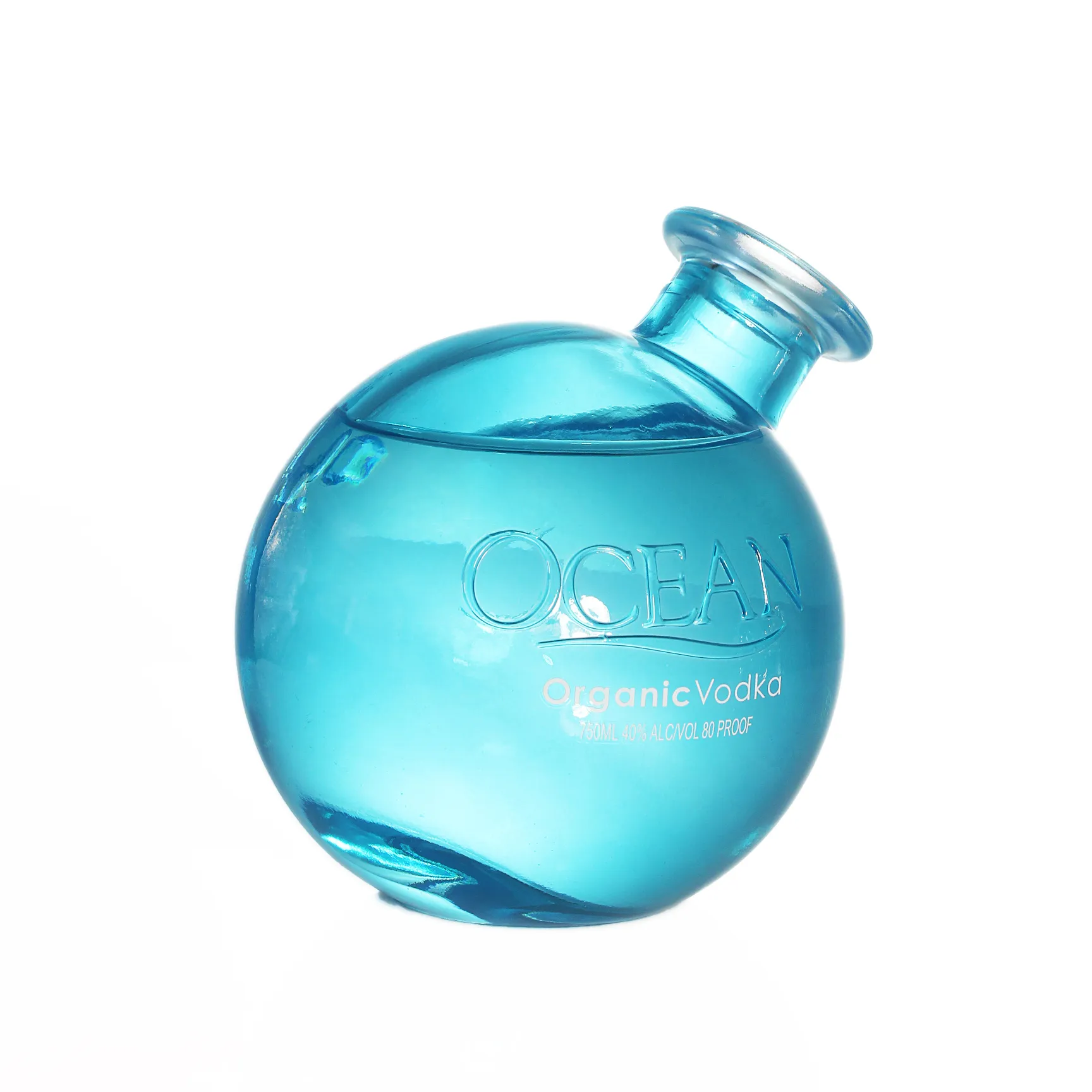
- Complex Silhouettes: Moving beyond simple geometric forms, ornate bottles often feature sculptural or bespoke shapes. This could involve asymmetrical designs, intricate faceting that plays with light, or forms that reference historical decanters or objects of art.
- Rich Material Palette: Ornate designs frequently incorporate a variety of materials beyond glass. This might include metalwork (such as pewter or brass), leather accents, wooden components, or even crystal stoppers. The goal is to create a rich tactile and visual tapestry.
- Intricate Surface Decoration: This is the heart of ornate design. Techniques like deep-acid etching, sandblasting, precious metal printing (using gold or platinum), detailed color spraying, and the application of custom-made medallions or emblems are all part of the maximalist toolkit.
- Elaborate Secondary Packaging: The "unboxing experience" is central to the appeal of many ornate spirits. The bottle is often housed in a custom-designed wooden box, a satin-lined case, or an elaborate gift carton that enhances the sense of occasion and ritual.
The Psychology of Opulence: Evoking Exclusivity and Craftsmanship
The psychological appeal of ornate design is rooted in fundamental human responses to rarity, beauty, and perceived effort. When a consumer sees a bottle that is intricately detailed and beautifully crafted, a subconscious calculation takes place. The visible complexity and artistry of the package are transferred to the liquid inside. The thought process is simple: if this much care, effort, and expense were lavished on the bottle, the spirit it contains must be truly exceptional. This is a powerful way to justify a super-premium or ultra-premium price point.
Ornate design also taps into a desire for fantasy and escapism. A beautifully decorated bottle can transport the consumer to another time or place—a baronial Scottish castle, a sun-drenched Mexican hacienda, a glamorous Art Deco ballroom. It is a form of storytelling that creates a world around the product. In an era described as a "permacrisis," where consumers face ongoing economic and social anxieties, products that offer a sense of escape and indulgent fantasy hold significant appeal (Berlin Packaging, 2025). An ornate bottle is not just a purchase; it is an entry ticket to a moment of luxury and delight, a small piece of artistry that can be displayed and admired.
Case Studies: Triumphs of Ornate Glass Bottle Design
The world of luxury spirits is filled with magnificent examples of ornate packaging. The cognac category, for instance, is a masterclass in maximalist design. Brands like Louis XIII or Richard Hennessy present their spirits in intricate, hand-finished crystal decanters that are themselves collector's items. These vessels are not meant to be recycled; they are meant to be treasured for generations, becoming heirlooms that symbolize the pinnacle of luxury.
In the tequila space, Clase Azul has built an empire on the back of its iconic, hand-painted ceramic decanters. Each bottle is a unique piece of folk art, requiring hours of meticulous work by artisans. The packaging is so central to the brand's identity that many consumers purchase the product as much for the decanter as for the tequila. Similarly, many independent bottlers of rare Scotch whiskies release their most precious spirits in elaborate presentations, often involving bespoke wooden cases and detailed storytelling booklets, reinforcing the rarity and collectible nature of the product. These brands demonstrate that when executed with artistry and authenticity, ornate design can create a powerful and lasting brand icon. Exploring a diverse spirits glass bottle category reveals how different spirits, from rum to brandy, leverage ornate designs to communicate their unique heritage.
Ornate Design in the Age of Social Media and "Unboxing"
The rise of social media platforms, particularly visually driven ones like Instagram and TikTok, has provided a new and powerful stage for ornate packaging. The "unboxing" phenomenon, where consumers film themselves opening a new product, has turned packaging into a form of entertainment. An elaborate, multi-layered package with beautiful details is inherently more "Instagrammable" than a simple one. It creates user-generated content that functions as free marketing for the brand.
A stunningly ornate bottle becomes a status symbol, an object that people are proud to display in their homes and on their social media feeds. It generates conversation and desire. Brands that invest in ornate design are not just investing in a container; they are investing in a marketing asset that has the potential to go viral. The visual spectacle of an intricate bottle being uncorked or a beautifully designed box being opened creates a moment of shared delight that can build a powerful sense of community and aspiration around a brand. In the digital age, a bottle's visual appeal is a currency all its own.
A Comparative Analysis: Minimalist vs. Ornate Glass Bottles
Choosing between a minimalist and an ornate design is one of the most significant strategic decisions a spirits brand can make. It influences everything from production costs to consumer perception. To make an informed choice, it is helpful to directly compare the two approaches across several key dimensions. The following table provides a structured overview of their relative strengths and weaknesses, offering a framework for understanding the trade-offs involved in the ongoing trends in luxury spirits packaging: minimalist vs. ornate glass bottles.
| Feature | Minimalist Design | Ornate Design |
|---|---|---|
| Primary Message | Confidence, Purity, Modernity, Authenticity | Heritage, Craftsmanship, Opulence, Exclusivity |
| Target Audience | Millennials, Gen Z, Design-conscious consumers | Connoisseurs, Collectors, Gift-givers, Status-seekers |
| Shelf Impact | Stands out through quiet contrast and negative space | Captures attention through visual complexity and color |
| Cost of Production | Generally lower (less complex molds, fewer processes) | Generally higher (custom molds, multiple decorative stages) |
| Sustainability Profile | Stronger (often uses less glass, fewer materials) | Weaker (often heavier, uses mixed materials, complex) |
| Unboxing Experience | Simple, focused on the product itself | Elaborate, ritualistic, part of the luxury experience |
| Brand Storytelling | Implicit: "The quality speaks for itself." | Explicit: "Our history and craft are in every detail." |
Visual Impact and Shelf Presence
The battle for attention on a retail shelf is fierce. Both minimalist and ornate designs have effective, albeit different, strategies for winning this battle. An ornate bottle acts like a peacock, fanning its feathers to attract a mate. It uses color, intricate shapes, and reflective materials like gold foil to catch the eye and draw the consumer in for a closer look. It competes by being the most visually stimulating object in its vicinity.
A minimalist bottle, conversely, employs a strategy of quiet contrast. On a shelf crowded with "loud" designs, a simple, elegant form can stand out precisely because of its restraint. It creates a pocket of visual calm that can be just as eye-catching as a burst of color. It is the equivalent of speaking in a measured, confident tone in a room full of people shouting. The effectiveness of either approach depends heavily on the competitive context. If a shelf is dominated by minimalist brands, an ornate bottle might have a distinct advantage, and vice versa.
Perceived Value and Price Point Justification
How does a bottle's design help justify its price? An ornate bottle uses a "cost-plus" logic of perceived value. The consumer sees the intricate details, the expensive materials, and the complex craftsmanship and concludes that the product must be expensive and therefore valuable. The packaging provides tangible, visible evidence of the investment made by the brand. This is particularly effective for ultra-premium products where the price point is significantly detached from the raw cost of the liquid.
A minimalist bottle justifies its price through a logic of "intrinsic worth." It suggests that the value is not in the external decoration but entirely within the spirit itself. The clean, transparent packaging implies that the distiller is so confident in the quality of the gin, whisky, or vodka that no artifice is needed. The price is justified by the assumed superiority of the contents. This approach requires the brand to have a strong story about its ingredients, distillation process, or provenance, as the packaging defers to the product's inherent narrative.
Production Complexity and Cost Implications
From a manufacturing standpoint, the two approaches represent vastly different levels of complexity and cost. Minimalist designs, while demanding high precision, are generally more straightforward to produce. They often use standard or slightly modified bottle shapes, simple labeling, and fewer decorative processes. This can lead to lower mold costs, faster production runs, and a more predictable cost per unit.
Ornate designs are at the opposite end of the spectrum. They almost always require the creation of expensive, proprietary molds for bespoke bottle shapes. The production process is often multi-stage, involving separate steps for molding, color coating, acid-etching, screen printing with precious metals, and manual application of elements like medallions or closures. Each additional step adds time, cost, and a potential point of failure, increasing the quality control burden. While the result can be spectacular, brands must be prepared for a significantly higher investment in their packaging.
Sustainability and Material Usage
The sustainability question presents one of the starkest contrasts between the two styles. Minimalism is inherently more aligned with the principles of environmental responsibility. By focusing on a "less is more" ethos, it naturally leads to designs that use less material, are lighter in weight, and avoid problematic mixed materials. The emphasis on high-quality, unadorned glass makes these bottles ideal candidates for recycling and for the incorporation of post-consumer recycled (PCR) glass, which is a growing demand from both consumers and regulators.
Ornate bottles often pose a greater environmental challenge. They tend to be heavier, consuming more energy and resources to produce and transport. The use of mixed materials—such as metal emblems glued to glass, plastic shrink sleeves, or complex multi-part closures—can contaminate recycling streams and make the packaging difficult or impossible to process. While some luxury brands are exploring more sustainable ways to create ornate effects, the fundamental tension remains: the maximalist impulse to add layers of decoration often runs counter to the environmentalist impulse to reduce and simplify.
Key 2025 Market Drivers Influencing Packaging Choices
The decision between minimalism and opulence does not happen in a vacuum. It is shaped by a complex interplay of broad market forces, technological advancements, and shifting consumer values. As of 2025, several key drivers are profoundly influencing the trends in luxury spirits packaging. Understanding these forces is essential for any brand seeking to create packaging that is not just beautiful, but also relevant and effective in the current landscape. The global premium spirits glass bottle market is projected to grow significantly, reaching USD 11.6 billion by 2034, driven by consumer preference for glass and sustainable packaging (Singh & Singh, 2025).
The Sustainability Imperative: PCR Glass and Lightweighting
Sustainability is no longer a niche concern; it is a central expectation for consumers across all categories, including luxury. In the spirits industry, this pressure is manifesting in several ways. There is a strong push towards using higher percentages of Post-Consumer Recycled (PCR) glass in bottle production. This reduces the demand for virgin raw materials and significantly lowers the energy required for manufacturing, as melting recycled cullet requires a lower furnace temperature. Brands are increasingly highlighting their use of PCR glass on their labels as a badge of honor.
Alongside PCR content, "lightweighting" has become a key engineering goal. Glass manufacturers are using advanced modeling software and production techniques to design bottles that use less glass while maintaining their strength and premium feel. This might seem to favor minimalist designs, but even ornate bottles are being re-engineered to be lighter. The challenge for ornate designs is to achieve a sense of opulence and substance without relying on sheer mass, turning instead to clever design and surface treatments.
The "Permacrisis" Consumer: Seeking Value and Escape
The term "permacrisis"—a state of permanent crisis driven by economic instability, geopolitical unrest, and social anxieties—has a significant impact on consumer behavior. This has created a bifurcated response in the spirits market. On one hand, consumers are more budget-conscious, looking for products that deliver clear value for their money (Berlin Packaging, 2025). For this mindset, a minimalist bottle can be appealing, as it suggests the money is being spent on the liquid, not on frivolous packaging.
On the other hand, the stress of the permacrisis also fuels a desire for escapism, indulgence, and moments of affordable luxury. For this consumer, an ornate, beautiful bottle offers a tangible reward and a small retreat from daily worries. The act of buying, opening, and displaying a stunning bottle can be a source of joy and a form of self-care. Brands must decide which of these psychological needs they are better positioned to meet. Are they a brand of practical, transparent quality, or a brand of enchanting, celebratory escape?
Digital Integration: QR Codes and NFC Technology
The glass bottle is becoming a bridge between the physical and digital worlds. The integration of technologies like QR codes and Near Field Communication (NFC) chips is a rapidly growing trend. A discreetly placed QR code on a minimalist bottle can lead a consumer to a website detailing the spirit's origin, production process, and tasting notes. This allows the bottle to remain physically uncluttered while still providing a wealth of information.
For ornate bottles, this technology can enhance the story of craftsmanship. An NFC chip embedded in a cork or label could link to a video showing the artisans who hand-painted the decanter or the master distiller who selected the casks. This adds a layer of digital storytelling that deepens the consumer's connection to the product's heritage and authenticity. This trend represents a "hybrid" future, where even the most traditional or minimalist bottle can become an interactive portal.
Flavor Forward: How Adventurous Tastes Shape Bottle Design
The spirits market is experiencing a surge in flavor innovation. Consumers are more adventurous than ever, exploring spirits with unusual botanical blends, exotic fruit infusions, and novel base ingredients from around the world (Berlin Packaging, 2025). This "Flavor Forward" trend has a direct impact on packaging. A bottle for a new-wave gin infused with yuzu and cherry blossom might adopt a design language that reflects its unique Japanese-inspired flavor profile. This could be a minimalist bottle with a single, elegant kanji character or an ornate bottle with a delicate cherry blossom motif.
The packaging must provide visual cues that hint at the flavor experience within. A spicy rum might use a bottle with warm, amber tones and a textured label that suggests rustic spices. A bright, citrus-forward vodka might opt for a tall, clear bottle with a pop of yellow or green. The design is no longer just about communicating "luxury" in a generic sense; it is about communicating a specific sensory profile. The choice between minimalism and opulence can be guided by the nature of the flavor itself: is it a pure, clean, singular flavor (lending itself to minimalism) or a complex, exotic, multi-layered one (lending itself to an ornate approach)?
Navigating the Decision: A Strategic Framework for Brands
The choice between a minimalist and an ornate bottle is not a matter of personal taste or chasing a fleeting trend. It is a fundamental strategic decision that should be the result of a deliberate and thoughtful process. A brand's packaging must be an authentic expression of its identity and a precise tool for connecting with its desired audience. To navigate the complex trends in luxury spirits packaging: minimalist vs. ornate glass bottles, brands can use a strategic framework based on three core pillars: understanding brand identity, defining the target consumer, and aligning with market position. The following table can serve as a decision-making matrix for brand managers and distillers.
| Strategic Pillar | Questions for a Minimalist Approach | Questions for an Ornate Approach |
|---|---|---|
| Brand Identity | Is our story about purity, modernity, and transparency? Is our core value the quality of the spirit itself? | Is our story rooted in deep history, complex craft, or a specific cultural heritage? Is our value tied to rarity and artistry? |
| Target Consumer | Are we targeting younger, design-savvy consumers who value authenticity and reject ostentation? | Are we targeting established connoisseurs, collectors, or the high-end gift market where display value is paramount? |
| Market Position | Is our price point premium, justified by ingredients and process? Do we want to be seen as a modern classic? | Is our price point super-premium or ultra-premium, justified by rarity and presentation? Do we want to be a status symbol? |
| Competitive Landscape | Does our category have a sea of ornate designs where simplicity would stand out? | Is our category dominated by minimalist designs where opulence would be a disruptive statement? |
Understanding Your Brand Identity and Story
Before a single sketch is drawn, a brand must have an unflinchingly clear answer to the question: "Who are we?" What is the core narrative? Is it a story of innovation, of a young distiller challenging conventions with a radical new process? If so, a sleek, minimalist bottle might be the perfect vessel for that narrative. It would signal a break from the past and a focus on the future.
Or is the story one of heritage, of a recipe passed down through generations, of a connection to a specific place and its traditions? In this case, an ornate bottle that incorporates historical motifs, family crests, or artisanal details can make that story tangible. The packaging becomes a physical embodiment of the brand's history. Attempting to put a centuries-old heritage brand in an ultra-modernist bottle can create a sense of dissonance, just as packaging a tech-forward, lab-distilled spirit in a faux-historical decanter can feel inauthentic. The design must be an honest reflection of the brand's soul.
Defining Your Target Demographic: Millennial Minimalists vs. Connoisseur Collectors
The next step is to ask, "Who are we talking to?" Different consumer groups respond to different visual languages. As discussed, younger demographics, often influenced by the aesthetics of tech companies and Scandinavian design, may gravitate towards minimalism. They see it as smart, confident, and unpretentious. They are often more interested in the story of the founder and the sustainability of the product than in traditional symbols of luxury.
Conversely, the established luxury consumer or the serious collector may have different expectations. For this demographic, packaging is part of the collecting experience. They are looking for rarity, exceptional craftsmanship, and "display value." An ornate, numbered, limited-edition decanter is not just a bottle of spirits; it is an asset, a trophy, and a conversation piece. A brand targeting the high-end gift market must also consider this; an ornate bottle in a beautiful box has a much higher perceived gift value than a simple bottle on its own, regardless of the quality of the liquid inside.
Aligning Packaging with Price Point and Market Position
Packaging is a primary tool for signaling a product's position in the market. The design must align with the price the brand is asking consumers to pay. A super-premium price tag on a spirit housed in a standard stock bottle with a simple paper label can create a value perception gap. The consumer may look at it and think, "Why does this cost so much?" The packaging fails to provide the necessary justification.
This does not mean expensive spirits always require ornate bottles. A minimalist bottle can command a high price if it is executed flawlessly—if the glass is exceptionally clear, the form is perfectly balanced, and every small detail, like the closure and label, is of the highest quality. The luxury is communicated through perfection rather than decoration. The key is alignment. An ornate bottle helps justify an ultra-premium price by adding its own tangible value to the purchase. A minimalist bottle justifies a premium price by focusing all the perceived value onto the liquid. A brand must decide which argument it wants to make to its customers.
The Future is Hybrid: Blending Minimalist and Ornate Elements
Perhaps the most interesting development in the trends in luxury spirits packaging: minimalist vs. ornate glass bottles is the emergence of a "hybrid" approach. Brands are increasingly realizing that they do not have to choose one extreme or the other. It is possible to blend the best of both worlds to create something new and compelling.
This could take the form of a bottle with a very clean, minimalist silhouette that features a single, exquisitely ornate detail—such as a sculpted metal stopper, a small, intricate medallion, or a band of delicate etching around the base. This approach combines the modern confidence of minimalism with a touch of artisanal craft and storytelling. It allows a brand to feel contemporary while still hinting at a deeper heritage. Conversely, a highly sculptural and ornate bottle might feature a very simple, typographic label to create a pleasing tension between complexity and clarity. This hybrid strategy allows for greater nuance and differentiation, enabling a brand to carve out a truly unique visual identity that is neither purely minimalist nor purely maximalist.
The Manufacturing Perspective: Realizing Complex Designs
The most imaginative bottle design in the world is merely a sketch until it can be successfully and consistently produced. The journey from a digital rendering to a physical object is a complex dance between aesthetic ambition and the physical realities of glass manufacturing. Understanding this process is vital for any brand, as it informs what is possible and what is practical. The choice between minimalism and opulence has profound implications for the manufacturing process, influencing cost, timeline, and the selection of a production partner. The art and science of custom spirits glass bottle manufacturing is where a brand's vision is forged into a tangible reality.
The Craft of Custom Glass Bottle Manufacturing
Creating a glass bottle, especially for the luxury market, is a process of controlled violence and delicate artistry. It begins with the creation of a mold, which is the negative space that will define the bottle's shape. For a simple, minimalist bottle using a standard shape, this can be a relatively straightforward process. However, for a bespoke, ornate bottle with complex curves and intricate embossing, the mold-making process is a highly skilled craft, often requiring advanced CNC machining to achieve the necessary precision.
The glass itself, a molten mixture of sand, soda ash, and limestone, is heated to around 1500°C. A precise "gob" of this molten glass is then dropped into the mold and, through a combination of pressure and vacuum, is formed into the final shape. The bottle is then transferred to an annealing lehr, a long oven that slowly cools the glass over several hours. This critical step relieves internal stresses and prevents the glass from shattering. Any decorative processes—such as color spraying, acid-etching, or printing—are typically performed after the bottle has been annealed and inspected. Every step requires immense precision, as even small variations in temperature or timing can result in flaws.
Innovations in Glass Production: From Sculptural Forms to Tactile Finishes
The contemporary glass industry is a hotbed of innovation, constantly developing new techniques that expand the creative possibilities for brands. These advancements are blurring the lines between minimalist and ornate designs. For instance, new molding technologies are making it more feasible to create highly sculptural and asymmetric bottle shapes that were once prohibitively expensive or technically impossible (Xilong Glass, 2025a). These unique silhouettes can provide a point of differentiation even without extensive surface decoration.
There have also been significant advancements in surface treatments and tactile finishes. Digital printing technologies allow for photorealistic images and complex patterns to be applied directly to the glass. New "soft-touch" coatings can give a bottle a velvety, matte feel that is incredibly luxurious to hold. Laser etching can create exceptionally fine and detailed patterns, offering a more subtle and sophisticated alternative to heavy embossing. These innovations allow brands to add layers of sensory interest to their packaging, whether they are pursuing a minimalist aesthetic focused on subtle texture or an ornate one focused on rich visual detail.
Balancing Aesthetic Ambition with Production Feasibility
For any brand developing a new bottle, there is a necessary dialogue between the design team and the manufacturing partner. A designer might envision a bottle with impossibly sharp corners or an extremely narrow neck, but the fluid dynamics of molten glass place certain constraints on what is achievable. Sharp internal corners can create stress points where the glass is more likely to break. A neck that is too narrow might be difficult to fill on a high-speed bottling line.
An experienced glass manufacturer can act as a crucial consultant in this process. They can review a design concept and provide feedback on its feasibility, suggesting subtle modifications that will preserve the designer's intent while ensuring the bottle can be produced safely, efficiently, and to a high standard of quality. This collaborative process is essential for avoiding costly mistakes and delays. A brand's aesthetic ambition must always be tempered by a realistic understanding of the manufacturing process. The most successful projects are those where creative vision and technical expertise work in harmony, resulting in a bottle that is both beautiful and producible.
Frequently Asked Questions (FAQ)
1. Is a minimalist glass bottle always cheaper to produce than an ornate one?
Generally, yes, but not always. A minimalist design typically uses simpler molds and fewer secondary decorative processes, which lowers production costs. However, a "high-end" minimalist bottle that demands flawless, ultra-clear glass, perfect geometric precision, and a high-quality, heavy base can still be quite expensive to produce due to very strict quality control requirements. Conversely, some "ornate" effects can be achieved relatively cost-effectively. The final cost depends on the specific shape, glass quality, weight, and the number and complexity of the decorative techniques used.
2. Which style, minimalist or ornate, is better for a new spirit brand just entering the market?
There is no single "better" style. The choice depends entirely on the new brand's story, target audience, and price point. A minimalist approach can signal modernity and confidence, helping a new brand stand out from traditional, established players. An ornate approach can help a new brand quickly establish a perception of high quality and luxury, justifying a premium price from day one. The most effective strategy is to analyze the competitive landscape: if the category is full of old-world, ornate bottles, a clean, minimalist design could be highly disruptive.
3. How does the type of spirit (e.g., vodka, whisky, gin) influence the design choice?
The spirit type creates certain consumer expectations. Vodkas, which are prized for their purity and neutrality, have long gravitated towards minimalist, clear bottles that showcase the liquid's transparency. Aged spirits like whisky and cognac, whose value is tied to age and craftsmanship, have traditionally favored more ornate designs that communicate heritage. Gins, with their diverse and often complex botanical profiles, exist in a creative middle ground, using both minimalist designs to signal a clean, modern taste and ornate designs to hint at exotic ingredients.
4. How can I make an ornate bottle design more sustainable?
While challenging, it is possible. Brands can work with manufacturers to lightweight the bottle, reducing glass usage without losing the sculptural shape. Opt for decorations that do not interfere with recyclability, such as printing with organic inks instead of heavy metals, or using laser etching instead of plastic sleeves. If a box is necessary, ensure it is made from FSC-certified cardboard and avoid plastic inserts. Finally, designing the bottle as a beautiful, reusable decanter can give it a second life, which is another form of sustainability.
5. What is the "hybrid" approach to bottle design?
The hybrid approach is a growing trend that combines elements from both minimalist and ornate philosophies. It avoids the extremes of being completely plain or excessively decorated. An example would be a bottle with a very clean, simple shape (minimalist) that features one highly detailed, artistic element, like a custom-sculpted metal stopper or an intricate embossed pattern on the shoulder (ornate). This allows a brand to project both modern confidence and a sense of deep craftsmanship, creating a unique and nuanced brand identity.
6. Does a heavier bottle always mean a better quality spirit?
No, this is a psychological shortcut, not a fact. The "heft heuristic" is the subconscious association of weight with quality and substance. Luxury brands have long used heavy, thick-based bottles to create a perception of value. While it is an effective marketing tool, the weight of the glass has no correlation with the quality of the liquid inside. Many excellent spirits come in lighter, more environmentally friendly bottles. However, for a consumer standing in a store, the physical sensation of weight remains a powerful, if illogical, persuader.
7. How important is the "unboxing experience" for luxury spirits?
It has become increasingly important, especially for super-premium and ultra-premium products and for brands targeting a younger, digitally-native audience. The rise of social media and "unboxing" videos has turned the packaging into a key part of the product's marketing story. An elaborate, multi-layered unboxing ritual can generate excitement, create memorable brand moments, and encourage social sharing. For products intended as high-end gifts, the unboxing experience is a huge part of the perceived value.
8. Can a brand change its packaging from ornate to minimalist, or vice versa?
Yes, but it must be done with extreme care and strategic planning. A brand redesign is a delicate operation. Shifting from an ornate to a minimalist design might alienate a brand's traditional customer base, who may perceive the change as a "downgrade." Conversely, shifting from a minimalist to an ornate design could be seen as inauthentic or "selling out" by consumers who were drawn to the brand's original simplicity. Any such change must be accompanied by a strong communication campaign that explains the rationale behind the evolution of the brand's identity.
Conclusion
The dialogue between minimalism and opulence in luxury spirits packaging is not a zero-sum game where one style must vanquish the other. Rather, it represents a dynamic and creative tension that pushes the industry forward. As we navigate 2025, it is clear that both philosophies hold immense power. Minimalism speaks to a modern desire for authenticity, clarity, and responsible consumption. It places its faith in the intrinsic quality of the spirit and the sophisticated eye of the consumer. Ornate design, in contrast, taps into a timeless human love for artistry, ritual, and storytelling. It creates objects of desire that offer an escape into a world of fantasy and craftsmanship.
The most astute brands will recognize that the choice is not a simple binary. The future likely belongs to those who can navigate the space between these two poles with intelligence and creativity. It belongs to the brands that understand their own story so deeply that the choice of packaging becomes an inevitable and authentic expression of that narrative. It may be a minimalist bottle executed with such perfection that it becomes an object of art, or an ornate decanter designed with such restraint that it feels contemporary. The bottle, in its final form, is the brand's philosophy made manifest in glass. It is the silent promise of the experience to come, and in the crowded world of luxury spirits, that promise must be compelling, coherent, and utterly captivating.
References
Berlin Packaging. (2025, April 29). Spirits packaging trends. Retrieved from https://www.berlinpackaging.com/insights/perspectives/spirits-packaging-trends?srsltid=AfmBOopfBBe94JpNPy4hcaMQSl5B1HpiNAws1uqv1VaO1XTOkQb8n_wO
Singh, S., & Singh, A. (2025, April). Premium spirits glass bottle market size – by capacity, by shape, by color, by application, by distribution channel analysis, share, growth forecast, 2025 – 2034. Global Market Insights. Retrieved from https://www.gminsights.com/industry-analysis/premium-spirits-glass-bottle-market
Xilong Glass. (2025a, October 1). 5 actionable 2025 trends for fancy glass liquor bottles that boost brand value. Retrieved from https://www.xilongglass.com/fancy-glass-liquor-bottles-2025-trends
Xilong Glass. (2025b, June 30). 7 unforgettable trends for pretty liquor bottles in 2025. Retrieved from